
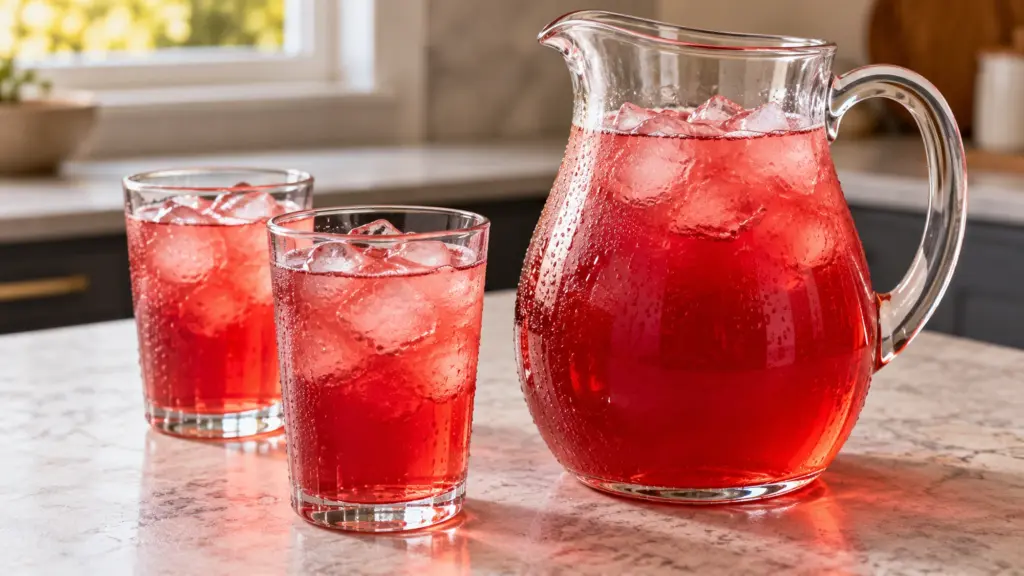
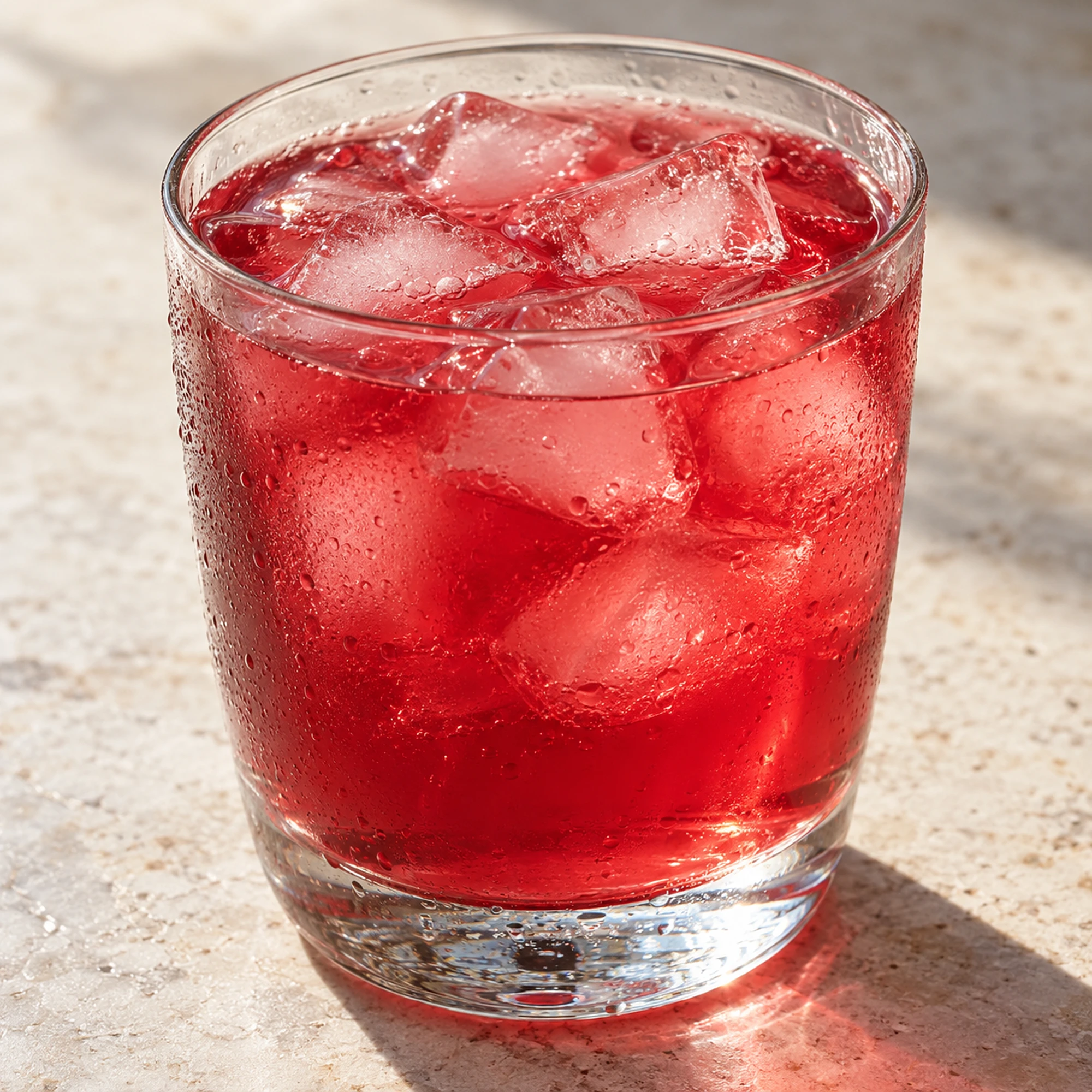
Cranberry lemonade brings a bright, tart counterpoint to a table full of roasted vegetables, rich casseroles, and sweet fall desserts. Unsweetened cranberry juice gives the pitcher its rosy color, while freshly squeezed lemon juice keeps the flavor lively. It is a cold drink that still feels at home beside a Thanksgiving spread.
Dissolve the sugar in a little water first, then combine that cooled syrup with the juices and cold water. This avoids a gritty layer of sugar at the bottom of the pitcher and lets the sweet and tart flavors mix evenly.
I prefer plain unsweetened cranberry juice for this recipe because it keeps the sweetness under your control. Cranberry cocktail and cranberry juice blends are different products; they may contain added sugar or sweeter fruit juices. Read the ingredient list rather than relying only on a large cranberry picture on the bottle.
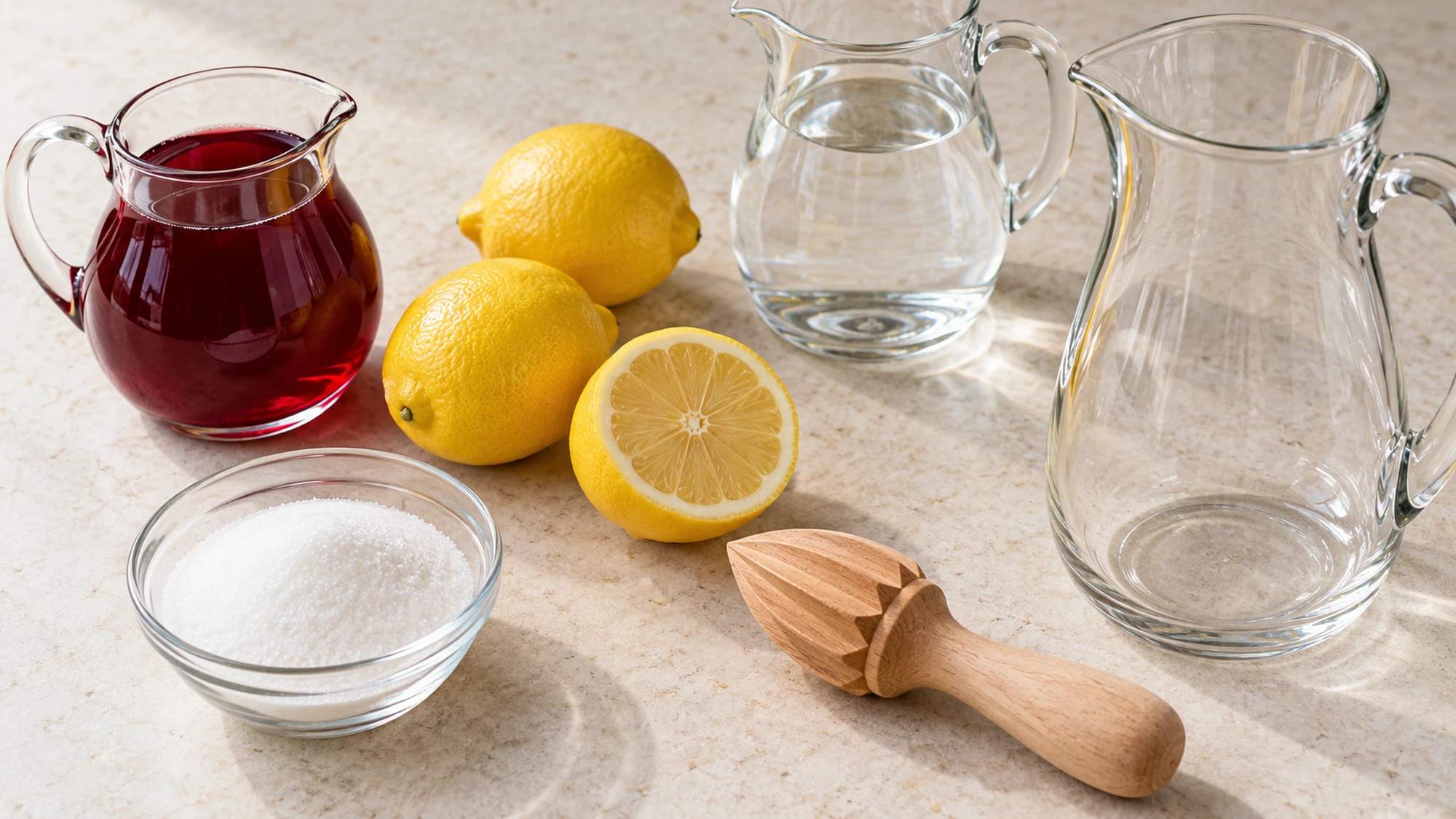
Serving Suggestions for Cranberry Lemonade
Serve this lemonade cold in small glasses with ice. The batch makes about six cups before ice, enough for six modest servings. A clear pitcher shows off the color, but any clean, food-safe container works. Keep the main batch refrigerated and pour what you need rather than leaving it out through a long meal.
- Pair with savory roasted dishes when you want a tart drink rather than another creamy or spiced option.
- For a holiday buffet, set out a small chilled pitcher and replace it with a fresh cold batch as needed.
- For an everyday lunch, pour a serving over ice and keep the remaining lemonade covered in the refrigerator.
The fall connection is more than a color choice. Massachusetts Cranberries describes harvest season as mid-September through early November, with much of the wet-harvested crop going into juice and other products. Bottled juice makes this version practical even when fresh berries are not available nearby.
Chill the drink before adding ice so it stays flavorful longer. Ice belongs in the glasses, or in the pitcher only immediately before serving.
Variations and Sweetness Adjustments
Lemons and cranberry juices vary in intensity, so taste the lemonade once it is mixed and cold. If you prefer a softer flavor, add a little water to your glass first. That is easier to control than diluting the entire batch and then trying to rebuild the balance with more juice.
| Juice choice | What changes |
|---|---|
| Unsweetened cranberry | Tart base used in this recipe |
| Cranberry cocktail | Usually adds sweetness; reduce syrup first |
| Cranberry fruit blend | Other juices change flavor and sweetness |
| Pasteurized lemon juice | Useful alternative to fresh-squeezed juice |
For a sparkling glass, replace part of the water in that individual serving with plain sparkling water just before drinking. Do not add bubbles to a pitcher you plan to store overnight. I would keep herbs and extra fruit out of the basic batch so the cranberry and lemon remain the main flavors.
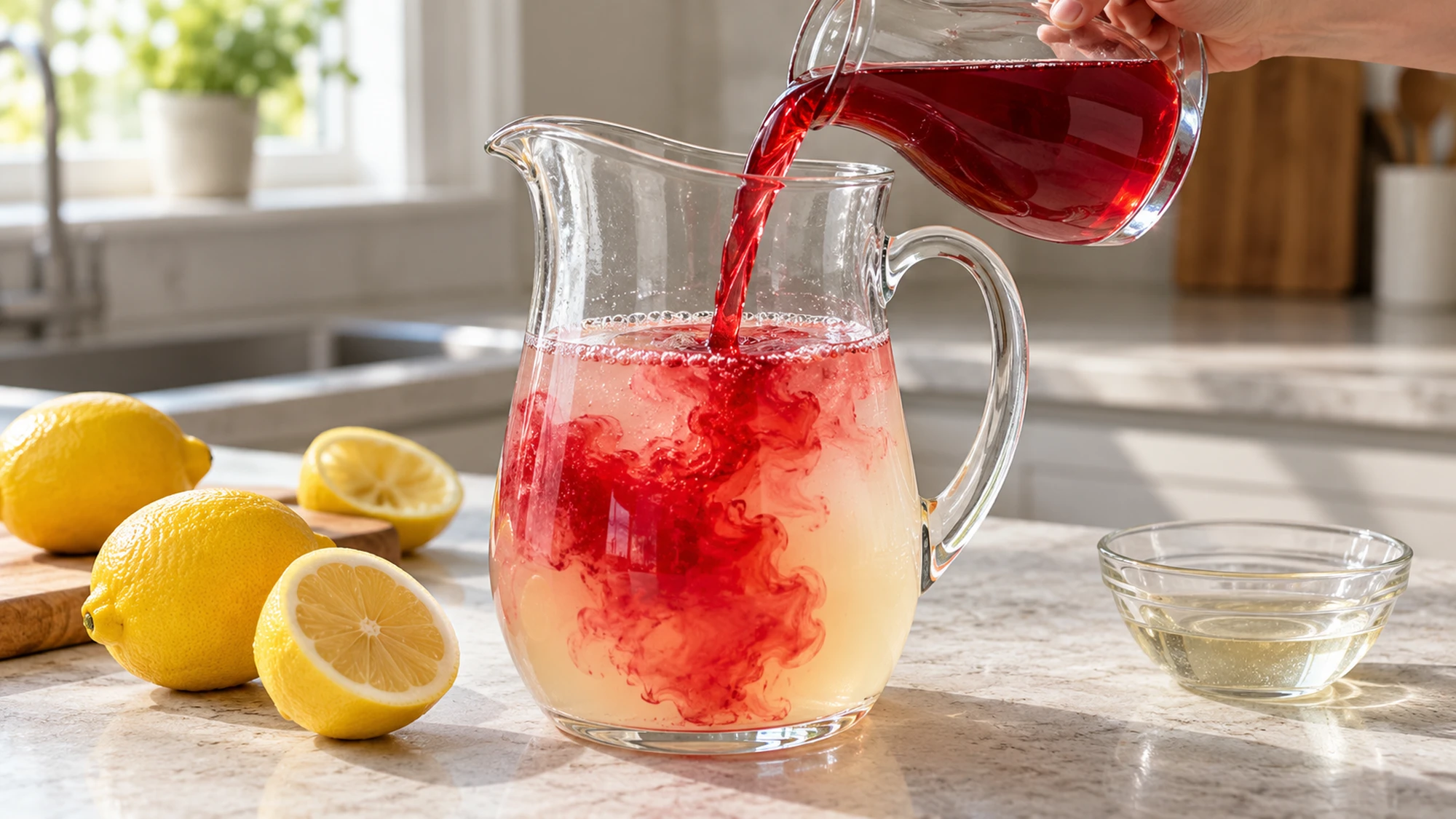
Adjust a small sample before changing the whole pitcher. A little extra water or less syrup can shift the balance more than you expect.
Health Benefits and Juice Safety
The juices provide fruit flavor, but this is still a sweetened drink rather than a substitute for whole fruit. It contains very little fiber, and the sugar syrup contributes added sugar. The nutrition estimate uses generic unsweetened cranberry juice; your bottle may differ, so its label is the better guide for that ingredient.
Wash lemons under running water before cutting them, even though the peel is not going into the drink. The FDA’s juice safety guidance explains that bacteria on produce can enter freshly squeezed juice. Use pasteurized juices for people at higher risk from foodborne illness; refrigeration does not pasteurize fresh juice.
- Use a clean citrus juicer, strainer, pitcher, and stirring spoon.
- Refrigerate promptly and use within two days for best quality.
- Do not assume the tart flavor makes the drink safe to leave unrefrigerated.
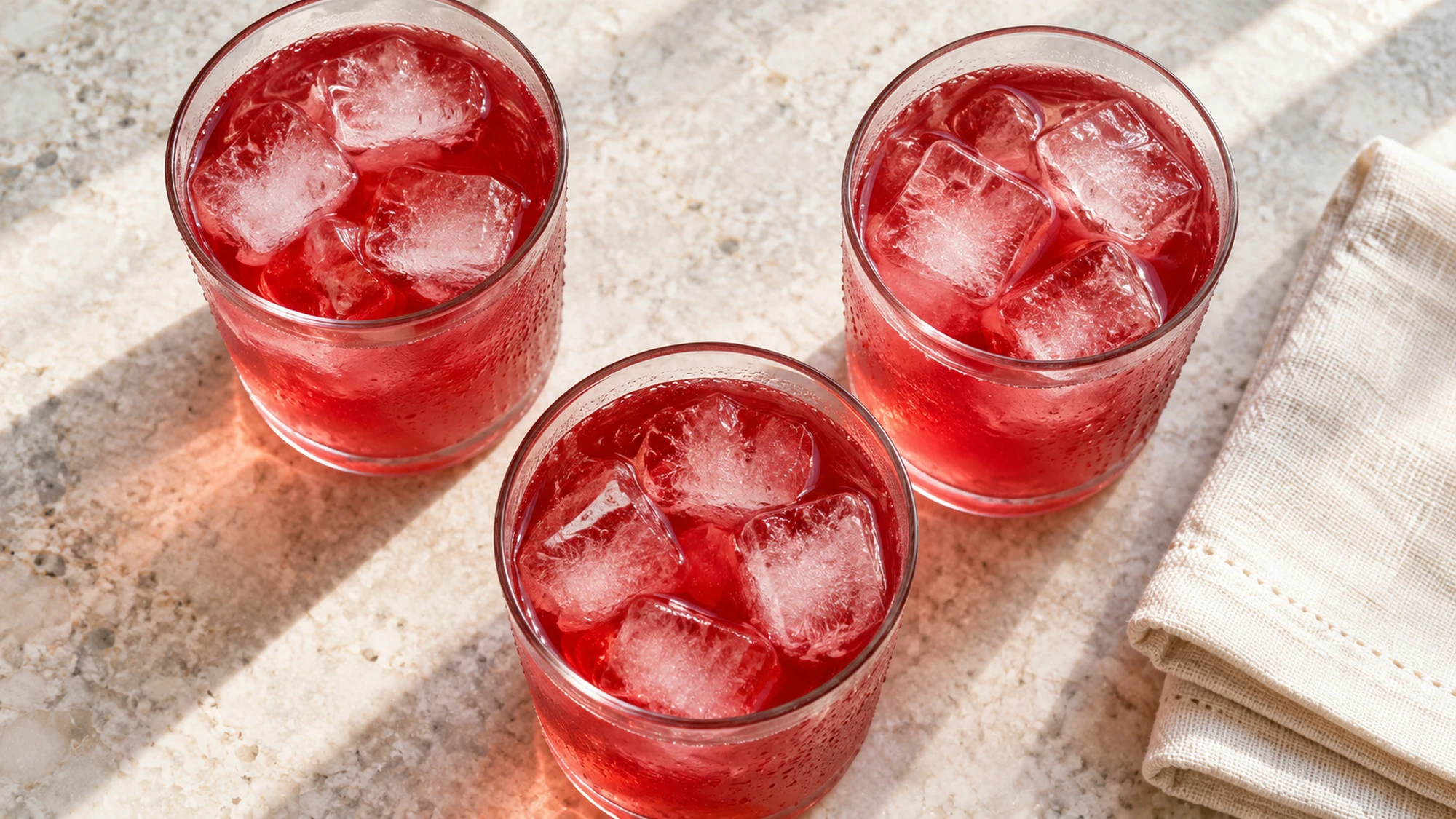
Enjoy the bright flavor without treating cranberry lemonade as a detox or a remedy. Safe handling and a sensible serving matter more than a wellness label.
Bottom Line
Cranberry lemonade is simple to prepare ahead, easy to pour, and pleasantly tart beside a fall meal. Choose the right juice, dissolve the sugar, and keep the pitcher cold. Explore more drink recipes for your next gathering.

Cranberry Lemonade Recipe
Ingredients
Equipment
Method
- If using fresh lemons, wash them under running water before cutting. Juice and strain out seeds; measure 3/4 cup. Use pasteurized lemon juice when serving people at higher risk from foodborne illness.
- Combine sugar with 1/2 cup water in a small saucepan. Heat gently, stirring, for about 3 minutes until completely dissolved. Remove from heat and cool about 20 minutes.
- Combine cooled syrup, cranberry juice, lemon juice, and remaining 3 1/2 cups cold water in a clean 2-quart pitcher. Stir thoroughly. Cover and refrigerate at least 1 hour until cold.
- Divide into 6 servings, about 1 cup each, and add ice at serving time. Keep extra lemonade refrigerated. Refrigerate within 2 hours, or 1 hour above 90°F, and use within 2 days for best quality.